There is a two party education system for Nepali children; government schools (public education system) and private education, and if you’re poor, there’s only one option.
“From a developed country mindset, one might think that this is merely the difference between our public schools and private schools, but nothing could be further from the truth. No Nepali parent would willingly send their child into a government school system if there was any way they could afford the alternative, and there’s legitimate reasons for that.” - Mark Avery.
“Poor educators trigger a harmful cycle: as parental confidence erodes, children are pulled away from education. Lack of education and poverty reinforce one another and change that we want for Nepali children and families, doesn’t happen.”
Why are 11% of school age children (5-12 years) not attending a local government school?
Parents see the apathy of the teachers to engage and educate kids at their local schools.
Absenteeism in teachers. Kids may make the effort to walk to school only to find the teacher is absent.
Consistently poor results in grades.
Exasperation of parents. Parents often feel the child can be of more help at home farming or helping in similar ways.
Excluding the poorest and second poorest groups, even center line income shows how difficult it is to escape the government school system with 70% of children in this tier being admitted to government schools, 29% into private. The remaining 11% percentage are not even being educated.
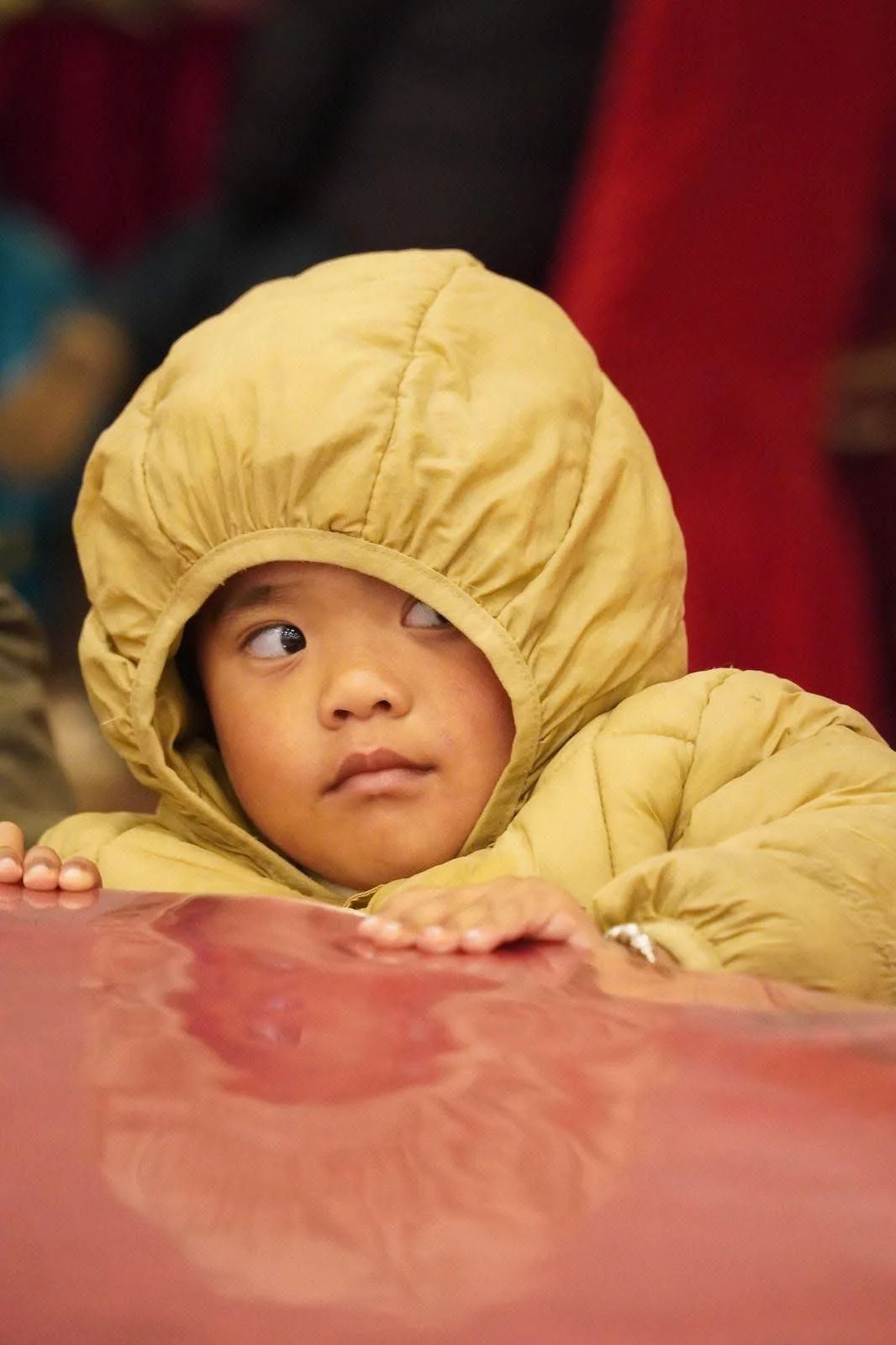
“Parents see Learning Seed as a bright glimmer of hope for their child’s education.”
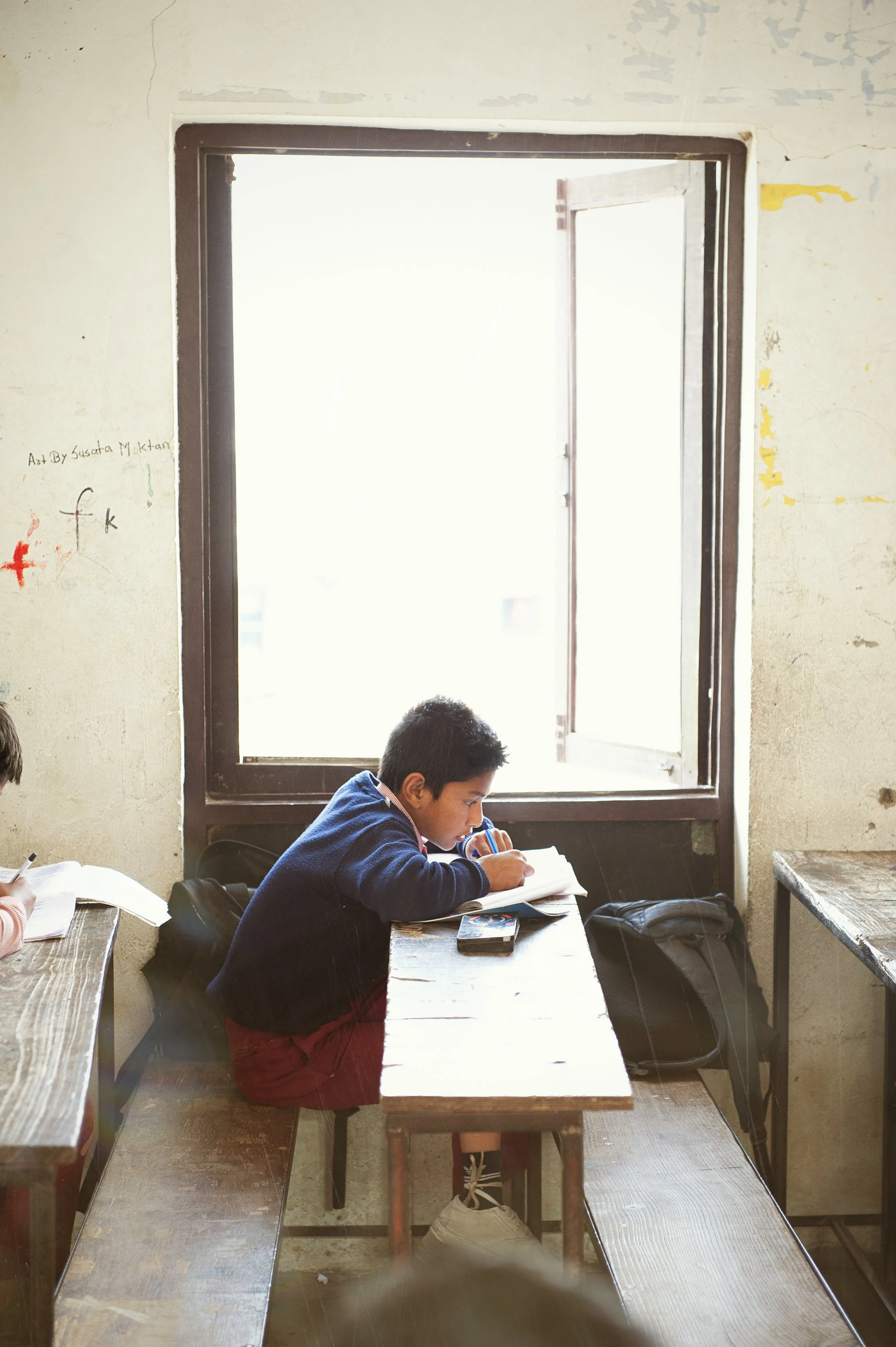

Are there any good government schools in Nepal?
Yes! There are some wonderful government school in Nepal. Learning Seed partners closely with those schools as well. We’re so grateful for those teachers and administrators that pour out their devotion and attention to reaching beyond the status quo, to bring the very best for their children.
We stand with you and honor you!
Caring vs Qualified.
Absolutely qualifications for teachers matter. But children need more than knowledge. Children need encouragement, support, a lot of guidance, play, artistic outlet, and definitely a nurturing environment. Though this is well established in developed countries, these thoughts within the education system in Nepal are newer.
A greenhouse without a roof is not a greenhouse.
A greenhouse creates an environment for plants to grow. Good teachers create environments where kids can grow. Yes, it is about transferring knowledge, and it is also about much more than that when it comes to developing a child.
Give me some basics. What are some primary issues known issues within the government school system?
TEACHER ABSENTEEISM.
There's significant and well-documented issue with teacher absenteeism in Nepal's government schools, with studies suggesting daily absence rates can range from 15-40%. With little no accountability, systemic issues, and individual teacher negligence thrive. A steady paycheck with unchecked oversite leads to lack of motivation to excel and contributes to many teachers not being in their classrooms. This exasperates the incentive for parents to take the daily effort of sending off children who only come back with poor grades and little actual increase in knowledge. It is often reported that these issue increase in extreme rural areas. Our own experience is that carrying educators exist even in the most areas of Nepal
FREE EQUALS NO VALUE IN NEPALI CONTEXT.
In one community Learning Seed works, there are two government schools. One is above average to excellent, while the other is exceedingly far below average. The parents from the below average government school confronted the teachers about the poor education the kids were getting; they could see the results from the other above average school. The teacher told the parents “Don’t expect too much from a free school”.
Our Daily Program Director for Learning Seed can easily identify significant lack in the kids education that are attending the below average government school. This is why Learning Seed is so very important in these poor areas.
A PAYCHECK OVER KIDS EDUCATION.
Within the government school system, the saturation of nepotism, political party affiliation appointments , and outright impunity (lack of accountability and jobs which can never be lost) are described as the "integrity triad" influencing school management and teacher practices, all at the expense of children.
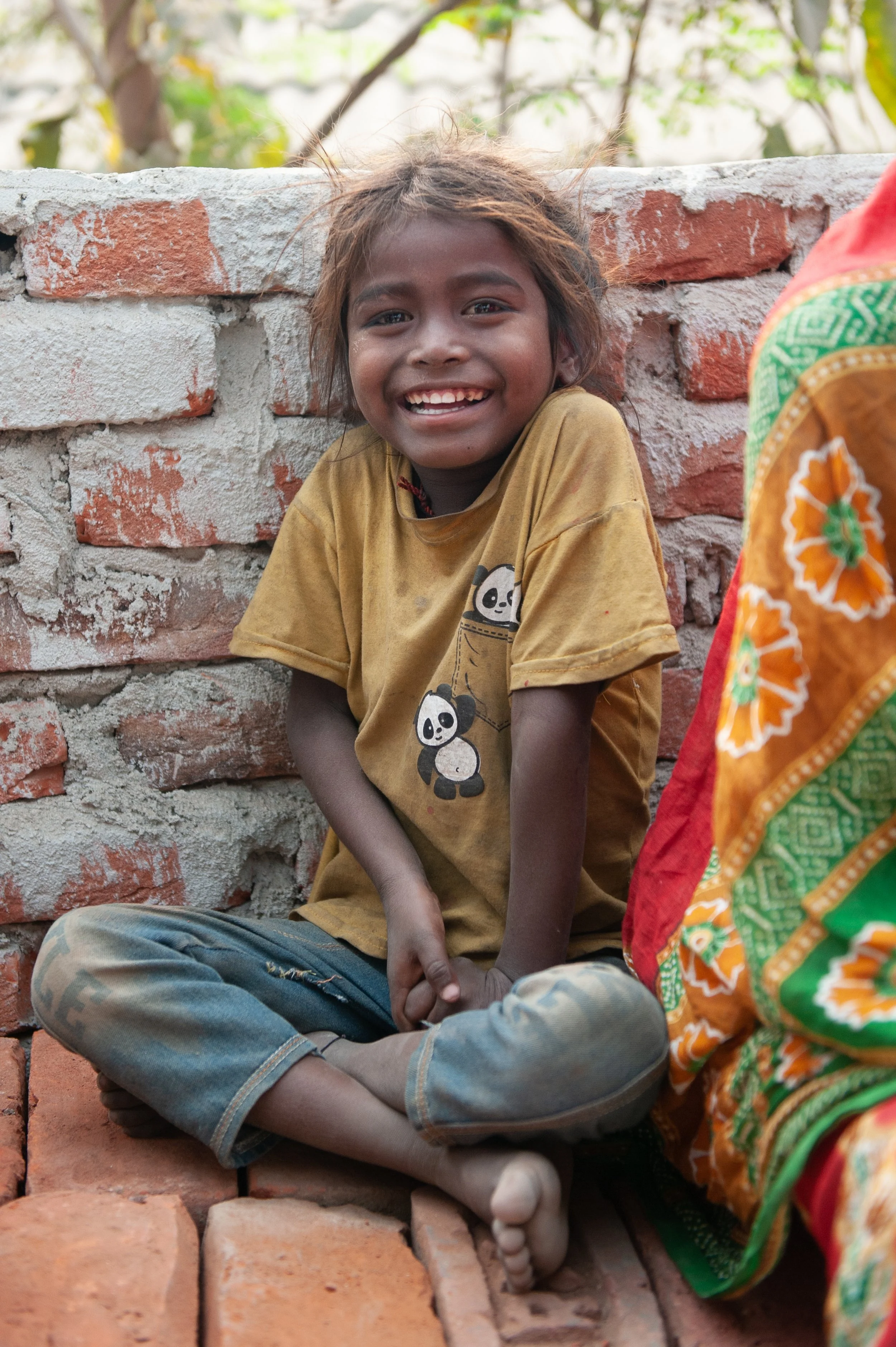
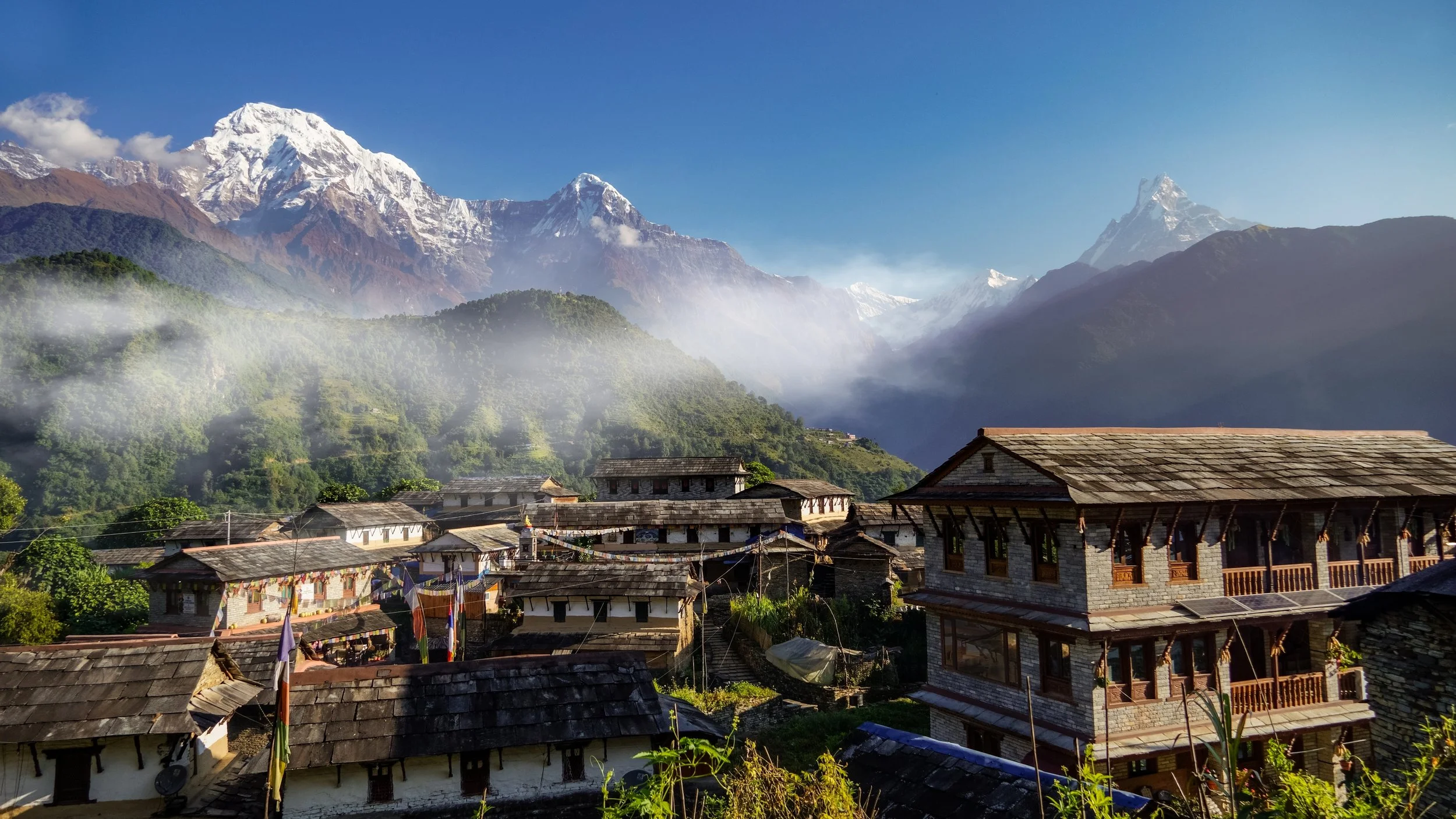
Photo © Learning Seed.org taken in a very remote village in Parsa disctrict while visting local communities.
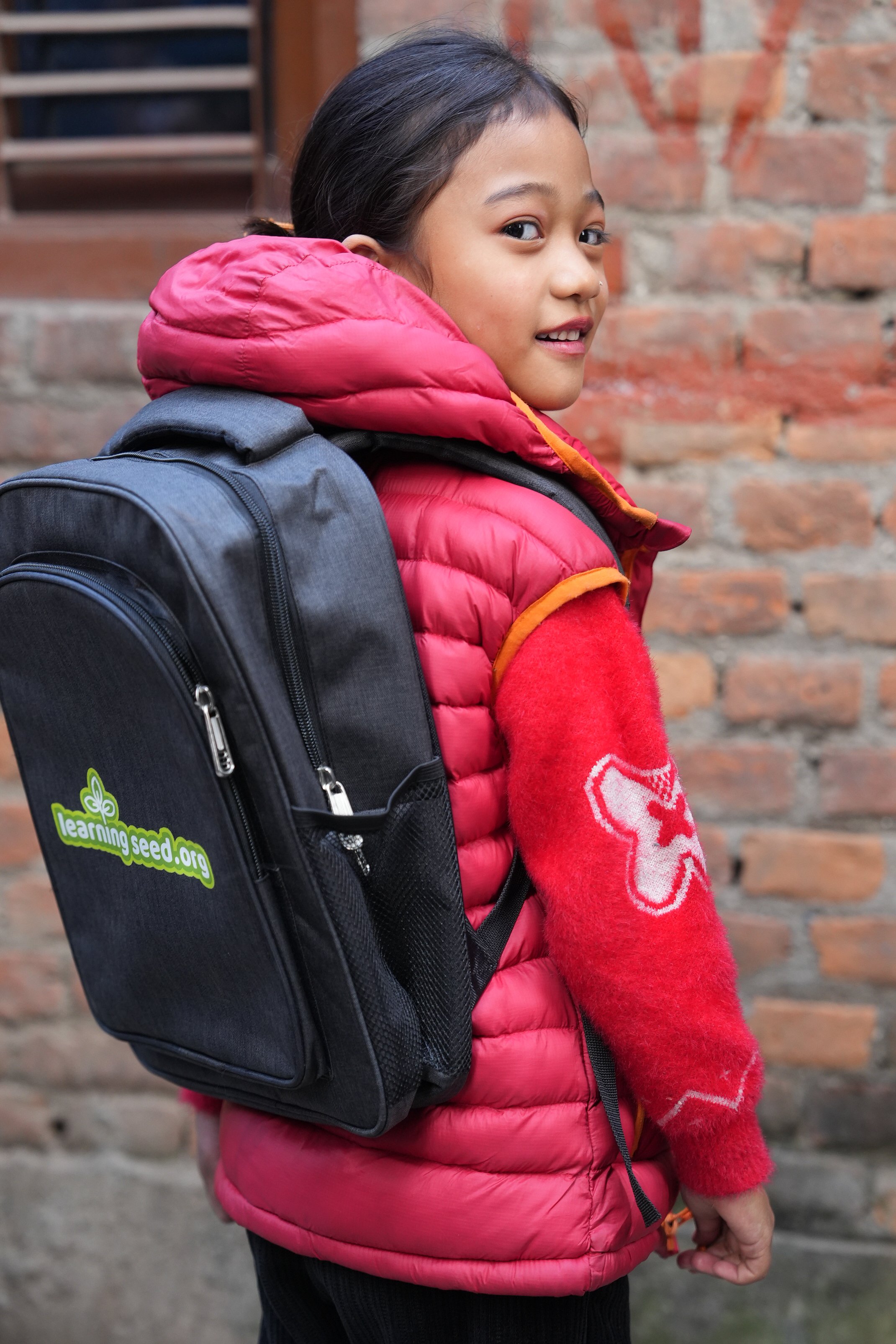
Real community impact
Hear about Learning Seed’s impact through the eyes of a poor parent.

Learning Seed exists to give the poorest and most marginalized children a good education through structured and caring after school tutoring.
Invest in a child’s future with us.